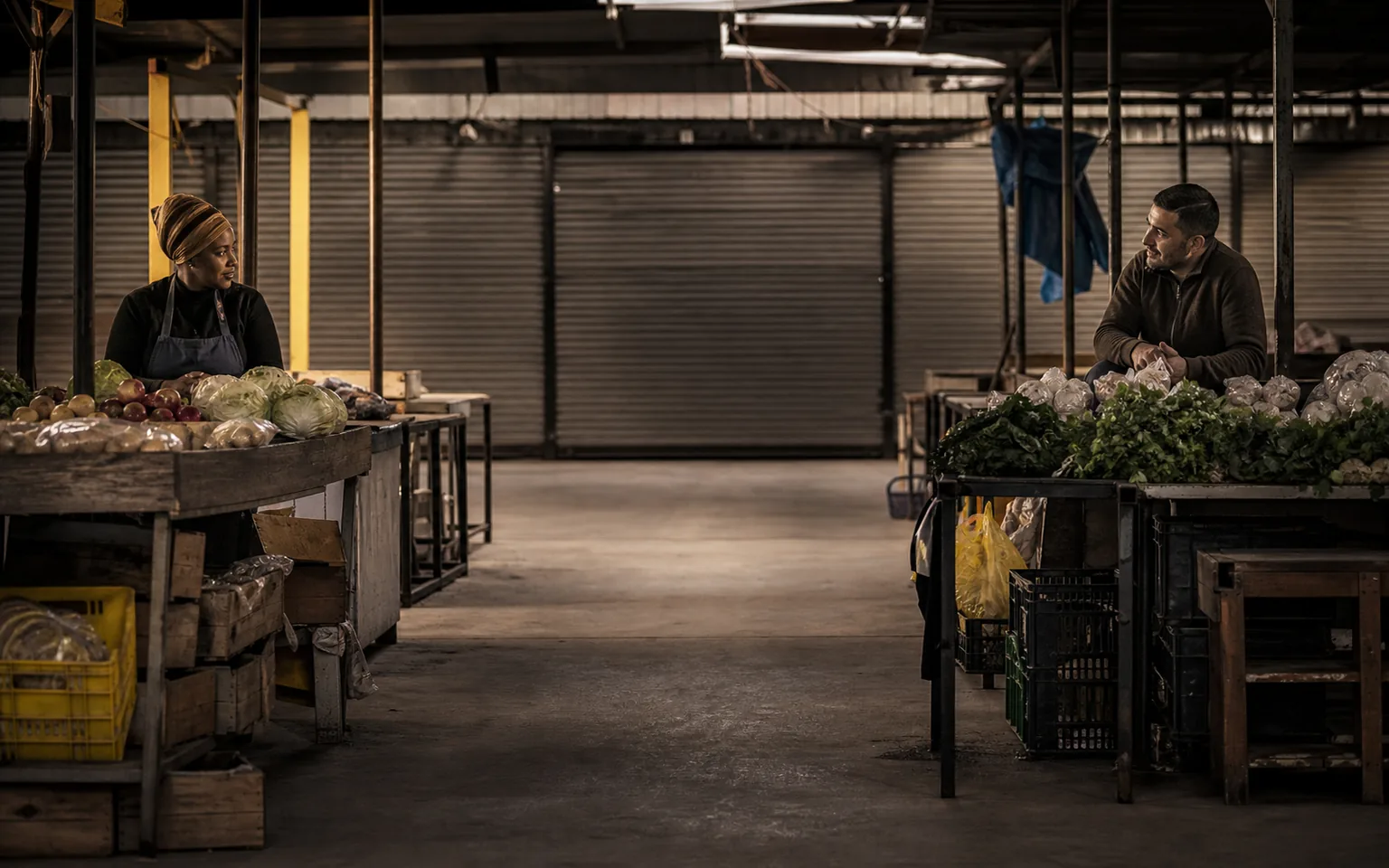
Fear shrinks the map. Soon only people who look, vote, speak or suffer like us still count as neighbours.
The contraction can feel reasonable. We are told to protect what is ours, to notice the danger, to stop being naïve. Some dangers are real. Love does not require pretending that every person is safe or every policy is wise.
But fear does more than identify risk. It begins to assign worth. A human being becomes a category, a burden, a threat or a talking point before we have encountered their face.
ScriptureWhen asked to define the neighbour, Jesus tells a story that unsettles the boundary. The decisive figure is not the person who can explain belonging, but the one who becomes a neighbour through costly mercy.
Luke 10:25–37
The Samaritan does not solve every political question on the road to Jericho. He does something more immediate: he refuses to let inherited hostility excuse indifference to the wounded person in front of him.
Neighbour is not merely a category we correctly identify. It is a mercy we become willing to practise.
South African life gives us many ways to keep distance—race, class, language, nationality, geography, party and church. Those histories cannot be dissolved by a warm slogan. Justice requires truth about how boundaries were built and who still carries their cost.
Yet Jesus Christ will not let history become permission to withhold love. In him, people once far off are brought near. The gospel does not erase difference; it removes our right to turn difference into a verdict on who may receive care.
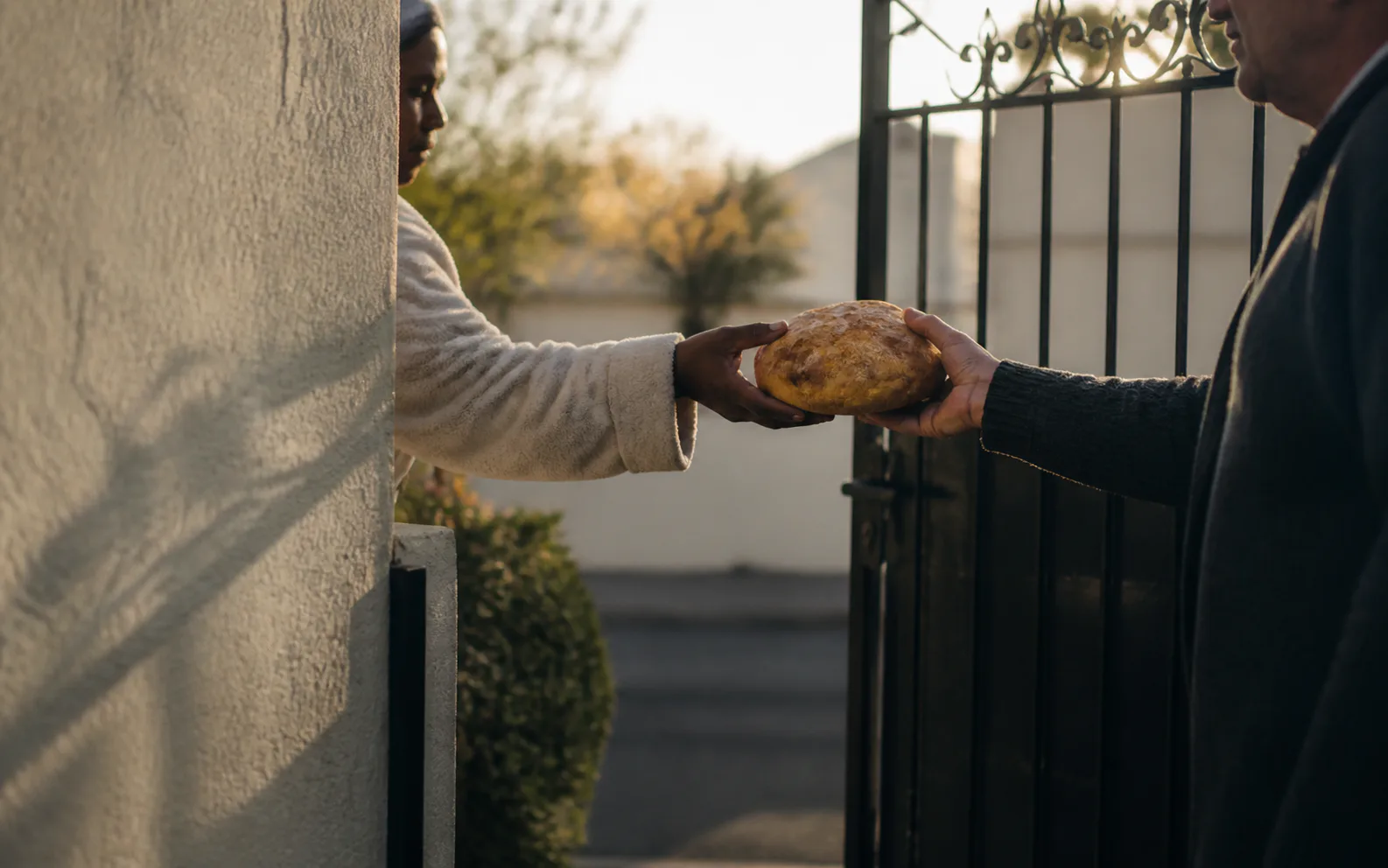
Mercy also resists abstraction. It learns a name, notices a concrete need and accepts that helping may interrupt the schedule. Public debates are unavoidable, but the neighbour often arrives before the debate is settled. We can disagree about a system without allowing a person in immediate need to become invisible inside the disagreement.
Faithful response may involve prudent boundaries, lawful processes and difficult public decisions. But the Christian must keep asking: has wisdom become a respectable word for refusing another person’s humanity?
Fear asks, ‘How close must I let them come?’ Jesus asks whether mercy will make us cross the road.