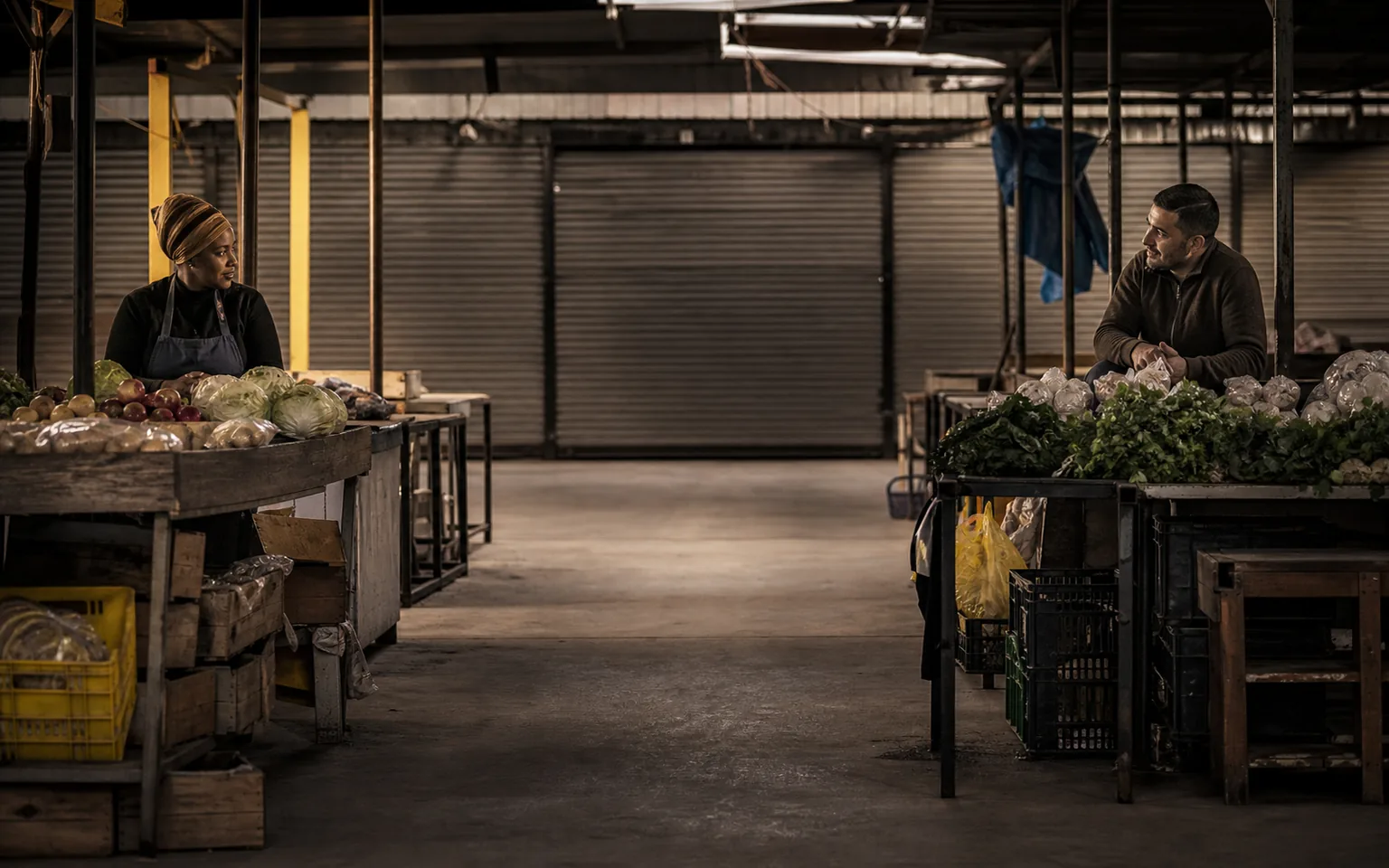
Home is usually the place we return to when the day has become too much. Imagine discovering that returning is the dangerous choice, and that keeping your family safe means moving towards a shore with no certainty about what follows.
Yemeni families are crossing to Djibouti to escape fighting, The Guardian reported on 20 October. Earlier this month, the World Health Organization documented displacement, pressure on health services and arrivals in Djibouti. Its 4 October report describes conditions during an earlier reporting period, rather than a count for today.
The first response to displacement is often an argument about borders. Governments do have responsibilities concerning entry, security and limited resources. Those questions matter. They are also easier to discuss when the displaced person has already disappeared into an abstract category.
ScriptureIsrael is commanded to treat the foreigner living among them with love, remembering its own life as foreigners in Egypt. The command joins the stranger’s dignity to the community’s memory of receiving deliverance.
Leviticus 19:33–34
That instruction belongs to Israel’s covenant life. It does not supply a complete immigration policy for every modern state. It does expose the moral danger of using someone’s foreignness as permission to mistreat them. The person at the border remains a person before God.
A family’s need for safety is real before we decide what its arrival means for our politics.
South Africans know how quickly public frustration can settle upon the stranger. We also know the strain of unemployment, crowded services and households with little left to share. Christian discernment requires us to speak honestly about those pressures while refusing contempt towards the people carrying another set of losses.
Begin with disciplined attention. Learn the difference between a verified report and an alarming claim about newcomers. In your own community, listen to people who have moved under pressure. Support established organisations that can explain their work and account for their resources. Avoid promising help that you cannot sustain.
Matthew tells us that Joseph took Mary and the child Jesus to Egypt when Herod threatened the child’s life. The passage announces God’s preservation of his Son and the fulfilment of Scripture. It also gives the reader a concrete family moving away from danger, dependent upon refuge beyond home.
The Saviour who gathers a people from the nations teaches his church to live with humility about belonging. We have received mercy. From that mercy, we can consider the next frightened family with patience, practical wisdom and a willingness to make room for their humanity.