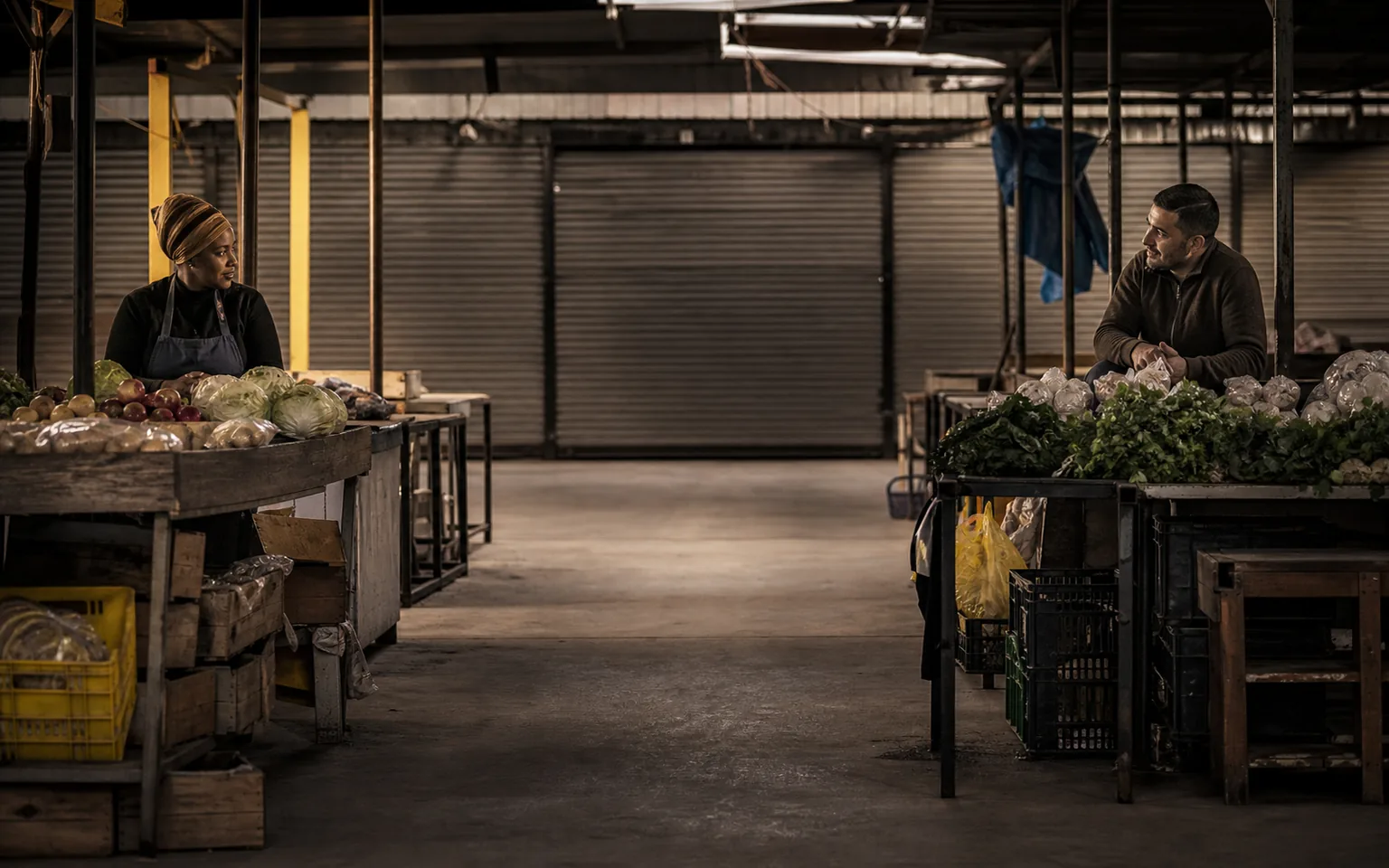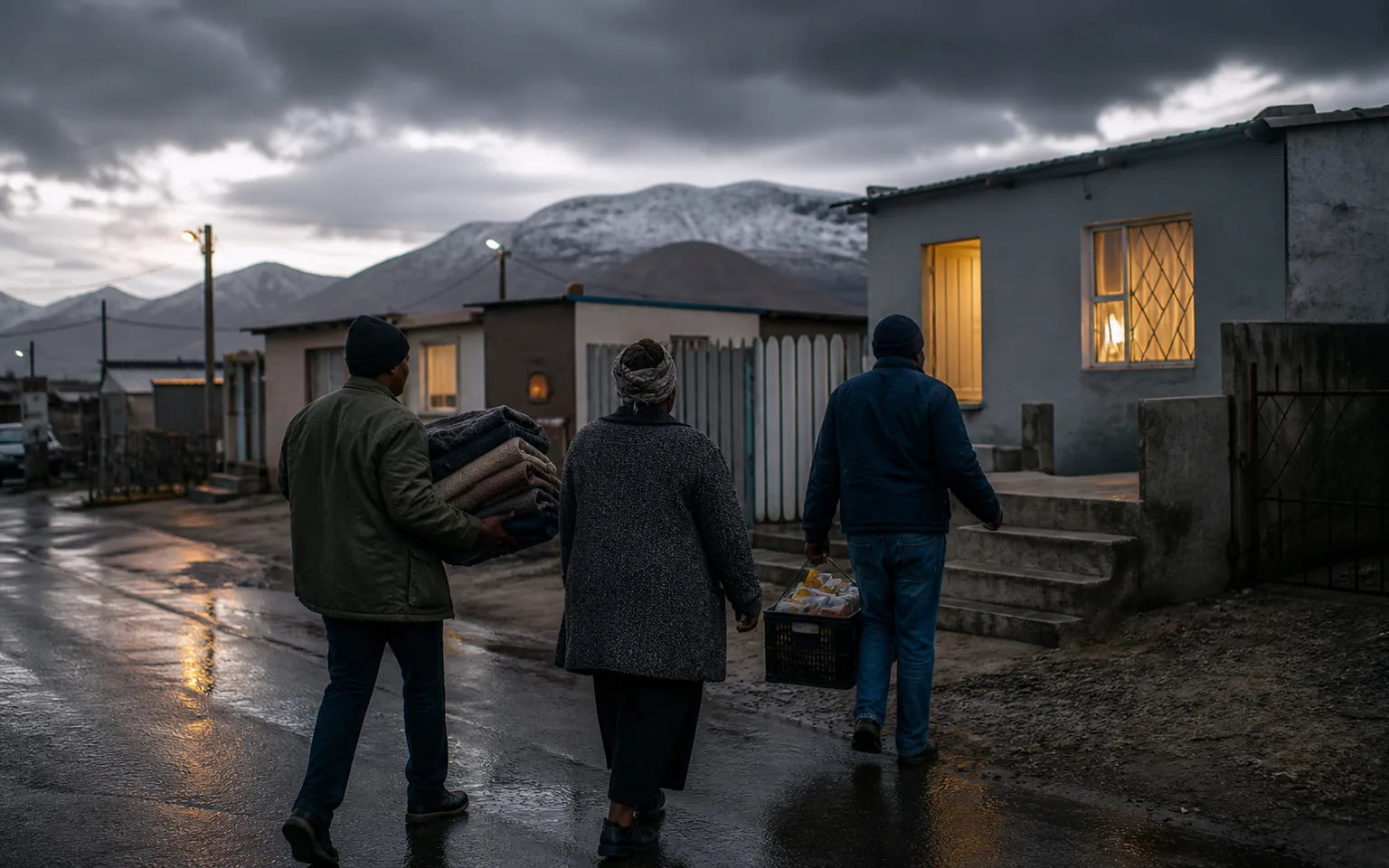
A cold front brought snow, damaging wind, rough seas and dangerous travel conditions across several provinces this August. Authorities warned people not to “snow chase” into affected areas because curiosity could burden emergency services. The warning exposed two very different ways of meeting the same weather: as spectacle, or as threat.
Weather reaches everyone. Exposure does not. One household watches snow through glass; another tests whether a sheet of corrugated metal will hold. One person postpones a trip; another must travel because missing a shift means missing food. A forecast is shared. The capacity to obey it is not. Biblical neighbour-love notices that uneven exposure before it becomes a casualty list.
ScriptureScripture refuses a compassion that gives only warm words to a cold body. Love must move from sentiment into the material world where a neighbour needs clothing, shelter, food and presence.
James 2:15–16; 1 John 3:17–18
This does not make every Christian an emergency service. Disaster response requires trained authorities, accurate warnings and coordinated relief. Good intentions can obstruct rescue. Faithfulness begins by listening to those carrying responsibility and refusing the thrill of getting close to danger for a photograph.
A weather alert becomes a moral question when we ask who has no safe place to receive it.
Then ordinary preparation becomes love. A church can know which elderly members live alone, which informal shelters flood, which families lack heating and which local organisation can distribute blankets without chaos. A household can check on the person next door before posting the view. Businesses can treat dangerous travel as a human limit rather than a loyalty test.
Jesus identifies himself with the person who is hungry, exposed and welcomed. He does not say every act of care solves the system that created vulnerability. He says the person inside the system is not hidden from him. That gives small acts weight without giving them excuses.
South Africa needs resilient infrastructure and competent disaster management. It also needs neighbours who do not outsource all mercy to the state. The storm will pass. The deeper climate of a community is revealed by who was remembered while it stayed.