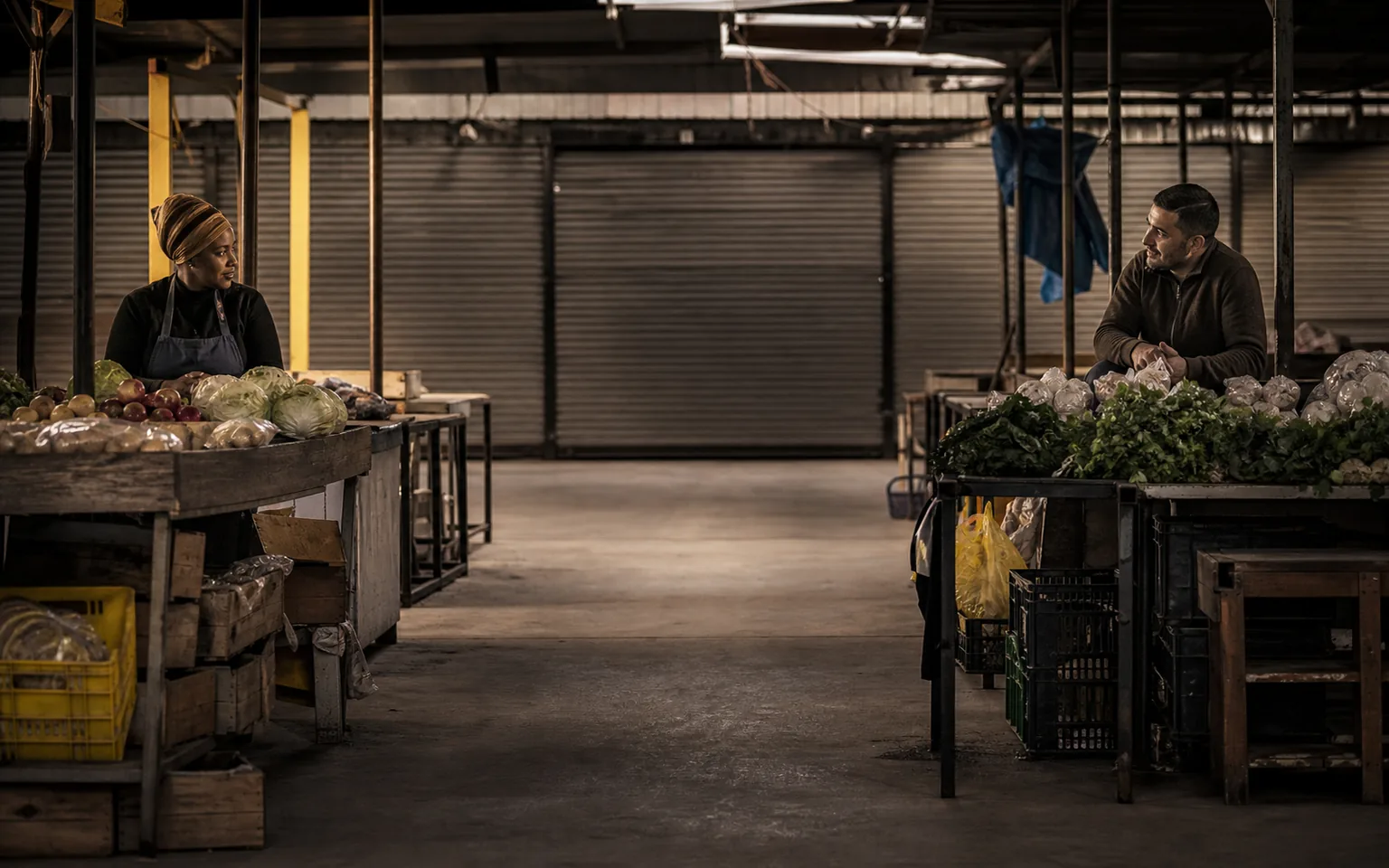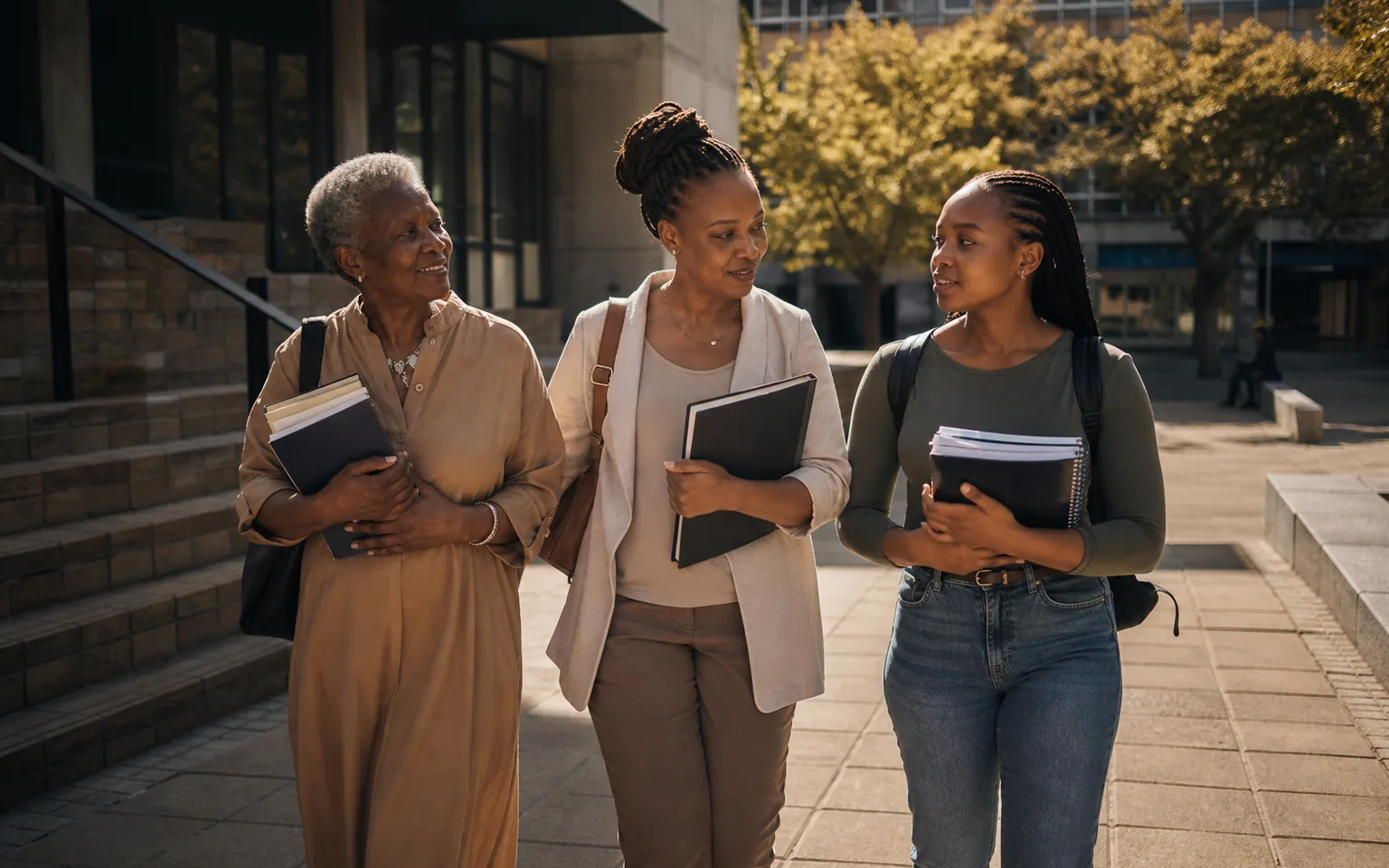
Statistics South Africa’s new review of women’s progress tells a story worth celebrating. Between 1996 and 2022, the share of women completing matric rose from 15.8% to almost 40%. Post-matric qualifications doubled. Women moved further into professional fields, and their employment in community and social services nearly doubled between 2001 and 2022.
The same report refuses a victory speech. Women’s unemployment rose over the longer period it studied. Gains were uneven across industries. By 2022, women headed almost half of South African households—evidence of leadership and resilience, but also a reminder that responsibility is often carried without an equal share of security.
ScriptureWoman and man bear God’s image; dignity is not a concession granted by social progress. The New Testament names women as servants, patrons, co-workers and witnesses within the mission of the church.
Genesis 1:27; Romans 16:1–7
Christians sometimes struggle to speak about progress. One instinct sees only decline and treats gratitude as compromise. Another treats every gain as proof that justice has arrived. Scripture teaches a more truthful posture: remember deliverance, name the wilderness still ahead, and do not confuse movement with completion.
Gratitude tells the truth about what has changed. Justice keeps telling the truth about what has not.
This matters inside the church as much as outside it. We can praise women’s education while still treating theological seriousness as a male possession. We can celebrate women’s employment while relying on invisible, unpaid labour at home and in congregations. We can quote women’s resilience in ways that become permission to leave them carrying what others should share.
Jesus does not merely protect women as a vulnerable class. He receives Mary as a disciple, entrusts testimony to women and refuses social arrangements that make their attention, bodies or service available for other people’s status. He sees persons with callings—not symbols to be praised or problems to be solved.
A faithful response will therefore become practical: fair pay, safe workplaces, shared care, open pathways into leadership, honest listening, and churches where gifts are discerned without patronising surprise. It will also honour different vocations without making one template the measure of a woman’s worth.
The numbers show that South Africa has changed. The deeper question is whether our homes, institutions and churches are becoming places where women’s God-given dignity is not only affirmed in principle but made easier to inhabit in daily life.