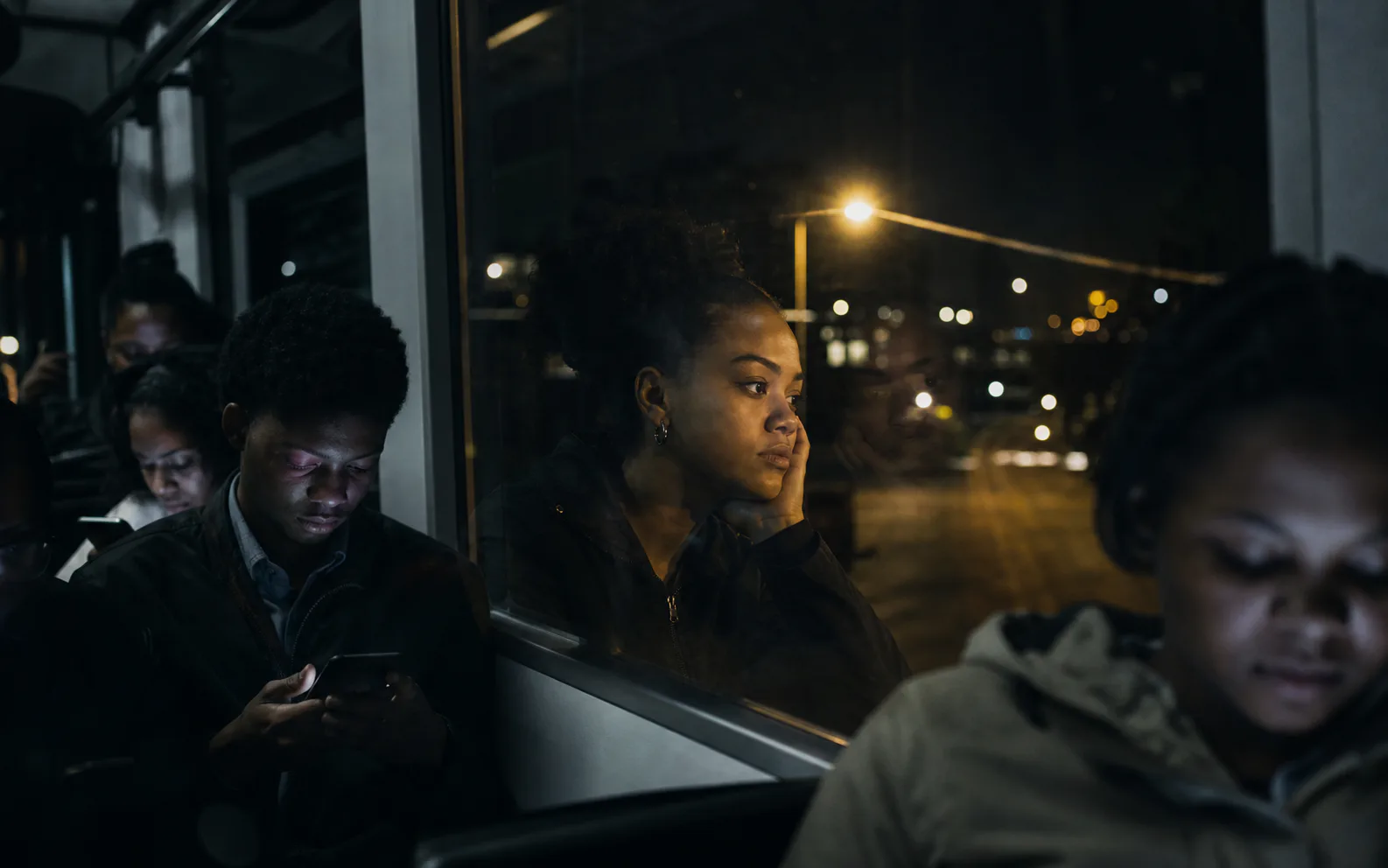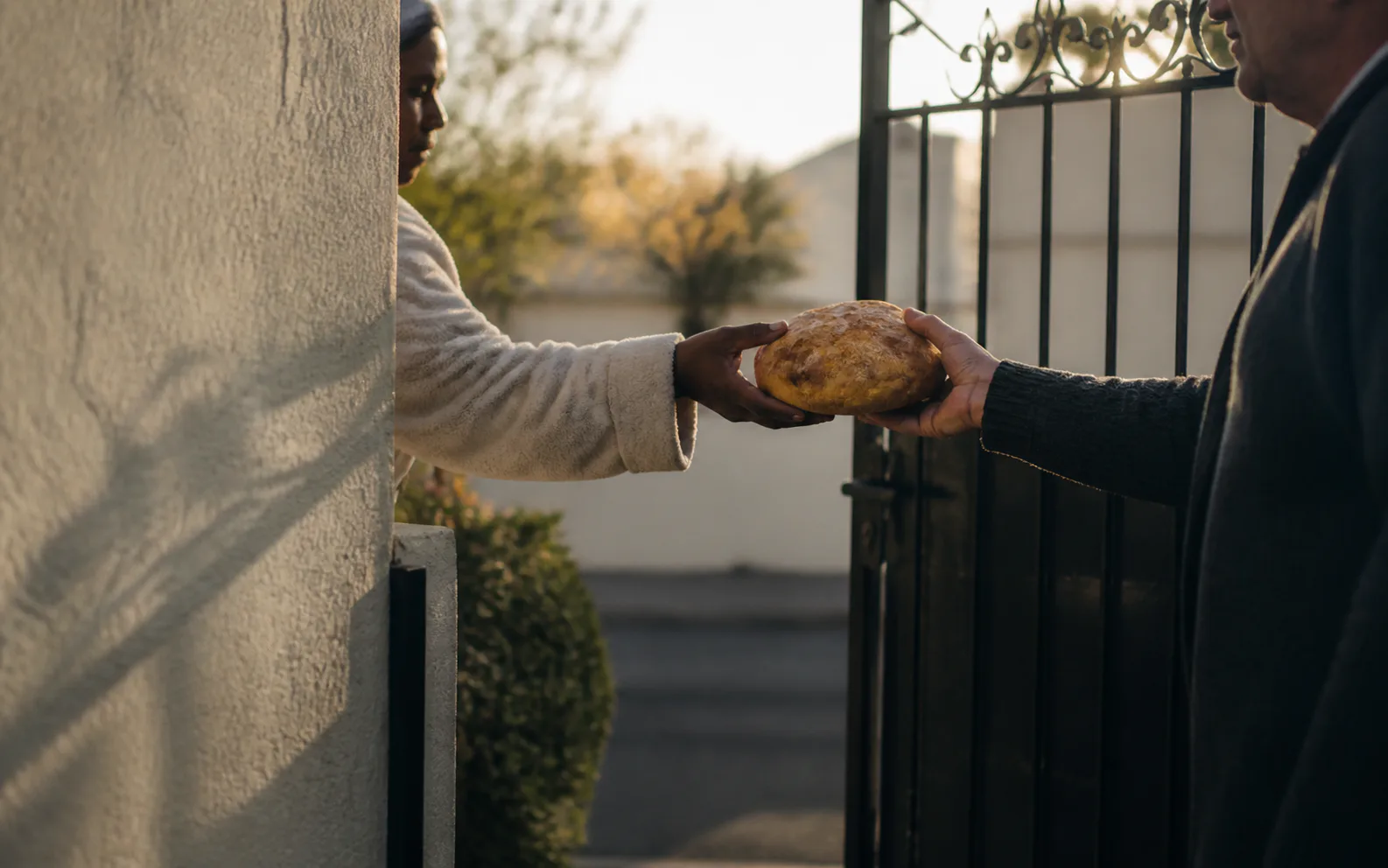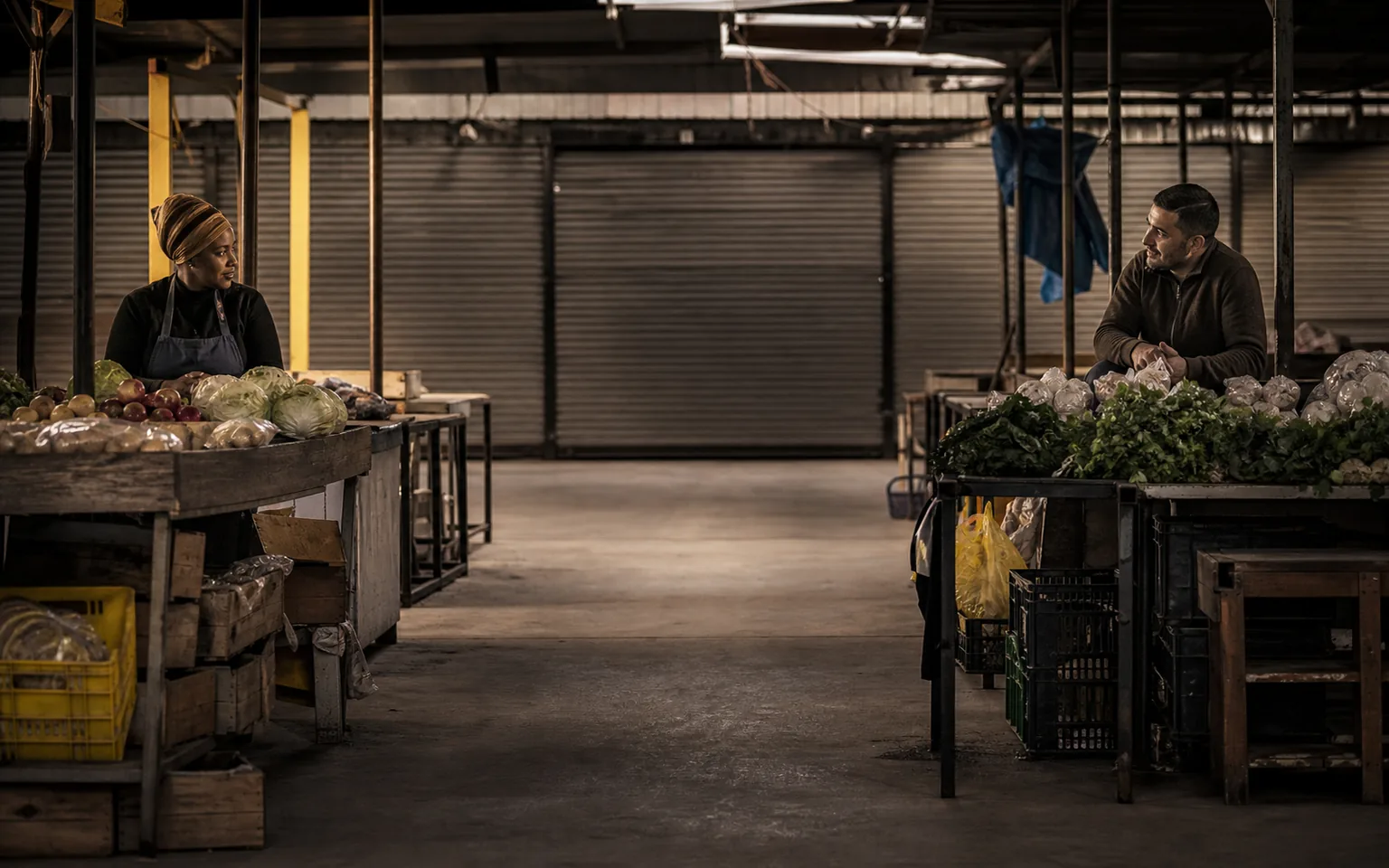
Bellville’s usually busy bus-station market has been thinned by anti-immigration mobilisation. GroundUp reported that documented traders as well as others had stayed away after threats and protests made earning a living unsafe. SAPS, meanwhile, has insisted that immigration enforcement must remain lawful, humane and consistent with the Constitution.
South Africans are not wrong to expect borders to be administered, permits to mean something and trading rules to be applied fairly. A state that refuses its duties leaves a vacuum. But a vacuum does not turn a crowd into the state, suspicion into evidence, or a foreign accent into guilt.
ScriptureScripture can affirm public authority while commanding love for the foreigner. Law has an appointed servant; neighbour-love has no nationality test. Neither command cancels the other.
Leviticus 19:33–34; Romans 13:1–4
Fear of scarcity makes this difficult. When jobs, housing and services feel too small, another person’s presence can look like theft. Political speech then offers a simple map: our suffering has their face. But the gospel trains Christians to distrust any story that makes contempt feel like courage.
The state may enforce a border. The crowd may not erase a person.
The Good Samaritan is not a lesson in vague niceness. Jesus makes the morally inconvenient outsider the neighbour who acts. He refuses the categories by which respectable people decide whose wound may be passed. A foreign trader, a citizen without work and an official carrying lawful responsibility are all people before God; justice must not need one to become less human for another to be seen.
Christian response therefore resists two evasions. It does not call every concern about immigration hatred. It also does not baptise intimidation as public participation. It asks for accurate numbers, due process and accountable enforcement. It refuses forwarded claims whose source is a voice note. It buys, speaks and intervenes in ways that keep a threatened neighbour visible.
Churches are uniquely placed to make encounter possible. Congregations often contain citizens, permanent residents, refugees and undocumented people within the same worship. At the Lord’s Table, none arrives by national merit. Christ himself makes peace between those trained to regard one another as strangers.
A lawful country and a hospitable people are not rival hopes. South Africa needs both. The test is whether our pursuit of order still recognises the person standing on the other side of it.