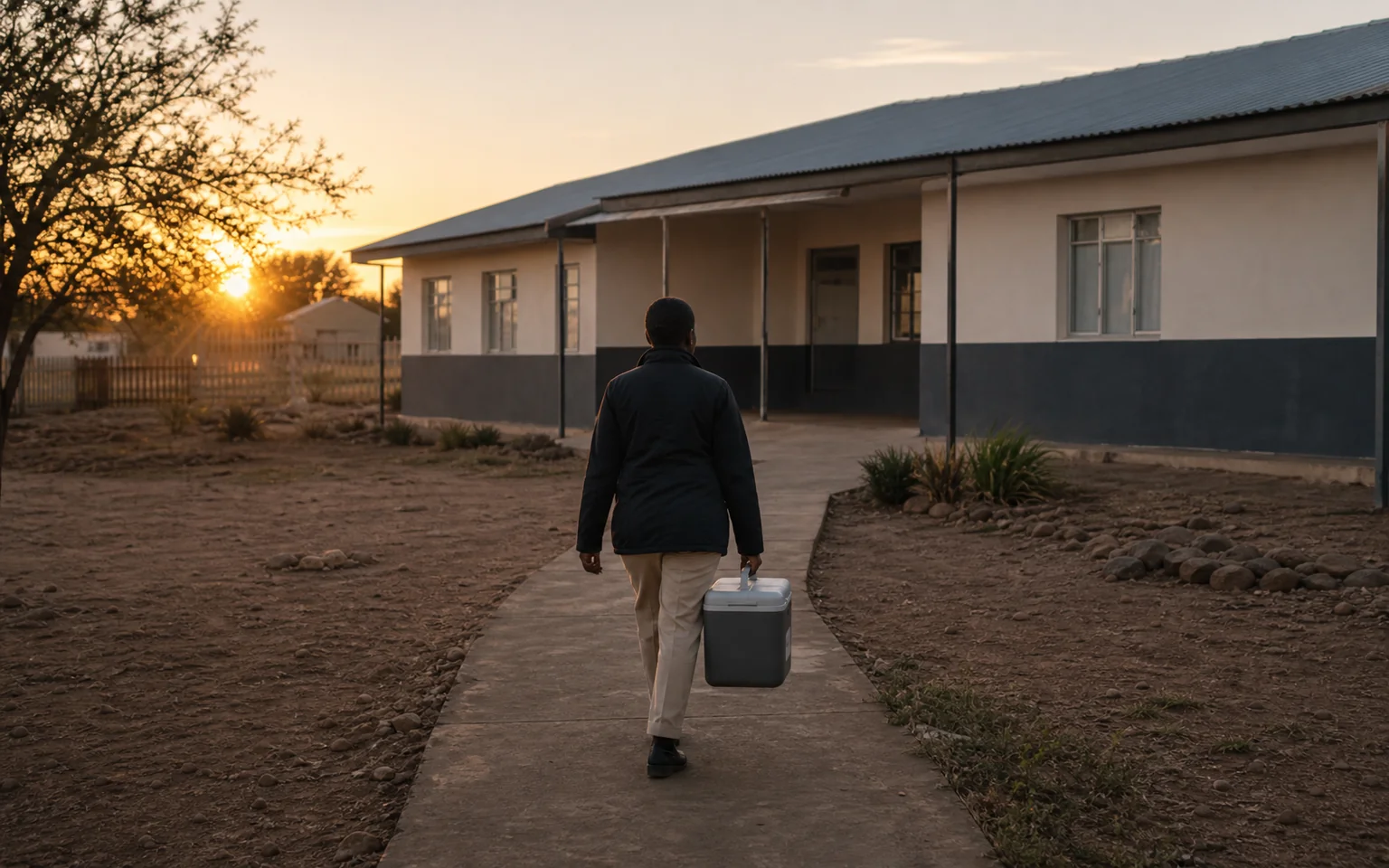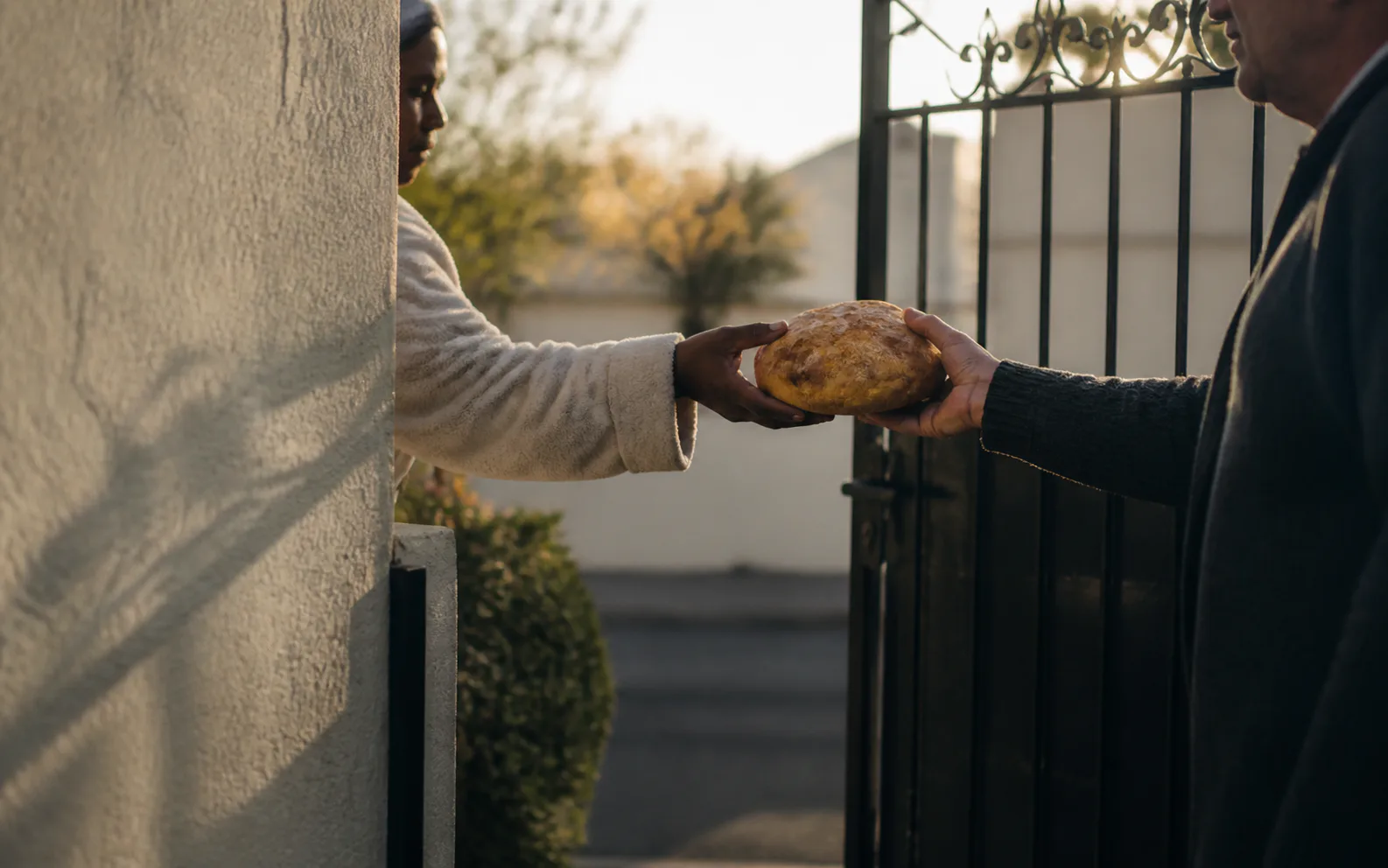
A meal is eaten in minutes. Growing part of it takes longer. There is soil to prepare, water to carry, a plant to tend and a stretch of waiting during which hunger does not politely suspend itself.
GroundUp reported on 20 October that young people working with the Masiphumelele Creative Hub are growing vegetables for community kitchens and families. The programme trains garden champions and supports food gardens. Participants described the difficulty of affording nutritious food when work is scarce.
It is a local story with room for gratitude. People are making something useful together. We do not need to turn their work into evidence that the larger problems have disappeared. A garden cannot, by itself, supply all the work and public services a community needs.
ScriptureJames describes a brother or sister lacking clothing and daily food. Kind wishes that leave those needs untouched expose the emptiness of a claimed faith. Living faith takes bodily need seriously and becomes visible in action.
James 2:14–17
James addresses the church. We should let his question reach us before applying it to anybody else. When we pray for a hungry neighbour, what happens afterwards? Do we know where the next meal could come from? Are we willing to participate in the ordinary work that makes it possible?
Love acquires weight when someone can carry it home for supper.
There is a particular patience in growing food. The work continues after the interesting beginning. It returns us to maintenance, repetition and dependence on conditions we cannot fully control. That is recognisable territory for Christian service: ordinary faithfulness whose purpose may remain hidden for a while.
A church might begin by asking an existing local feeding project what it actually needs. Sometimes the answer will be money, sometimes transport, volunteer time or help keeping equipment working. Listening protects us from arriving with a beautiful plan that creates more work for the people already serving.
Care also means treating people as neighbours with knowledge and agency. The young gardeners are participants in their community’s life. We can learn from their practical understanding, honour their work and support it without making ourselves the centre of the story.
James has already traced new life to God’s generous action in giving birth through the word of truth. Service grows from received grace. Jesus, the bread of life, gives himself to the hungry world. Following him, we can learn to offer something as concrete as a meal, and remain long enough to help with tomorrow’s.