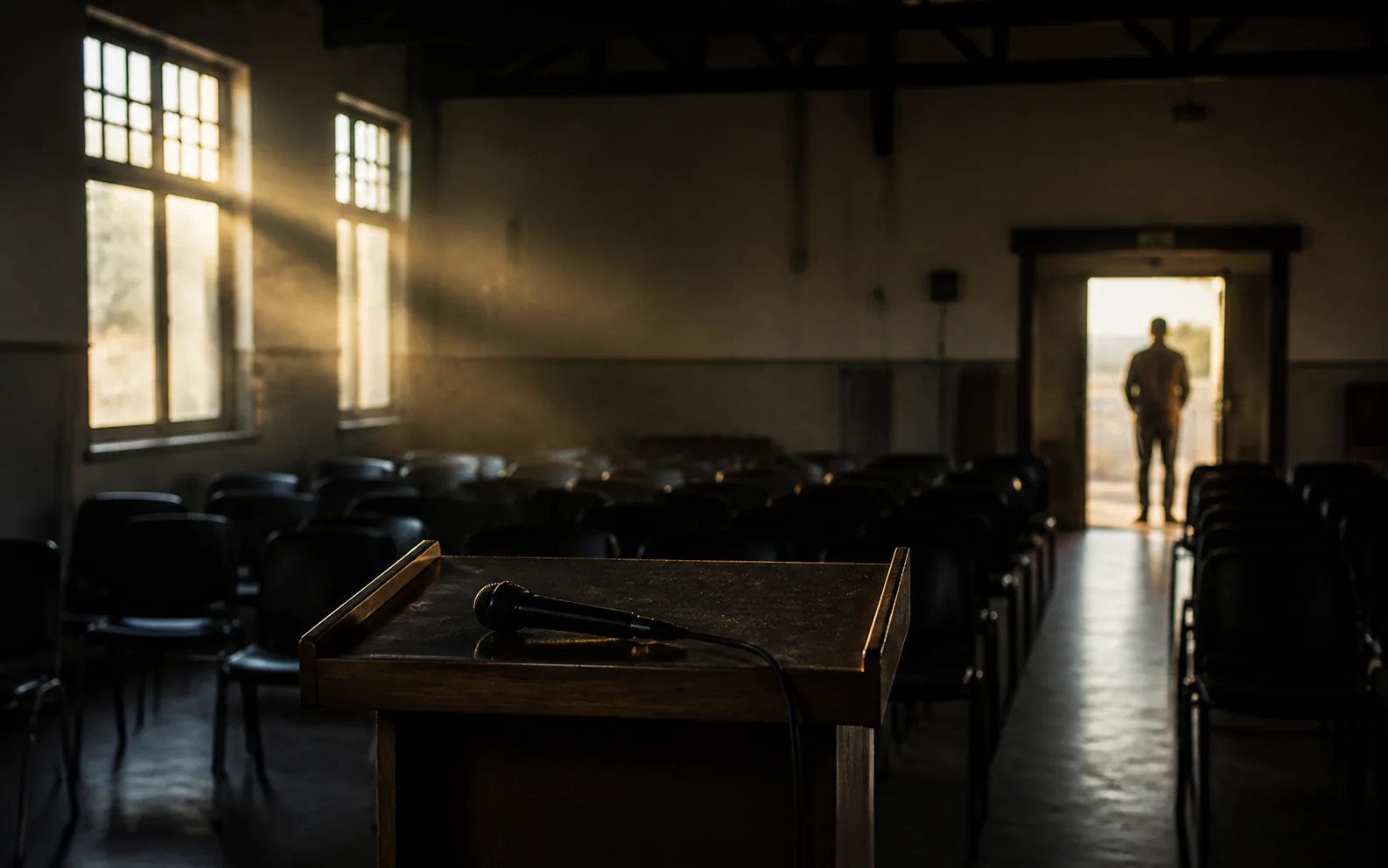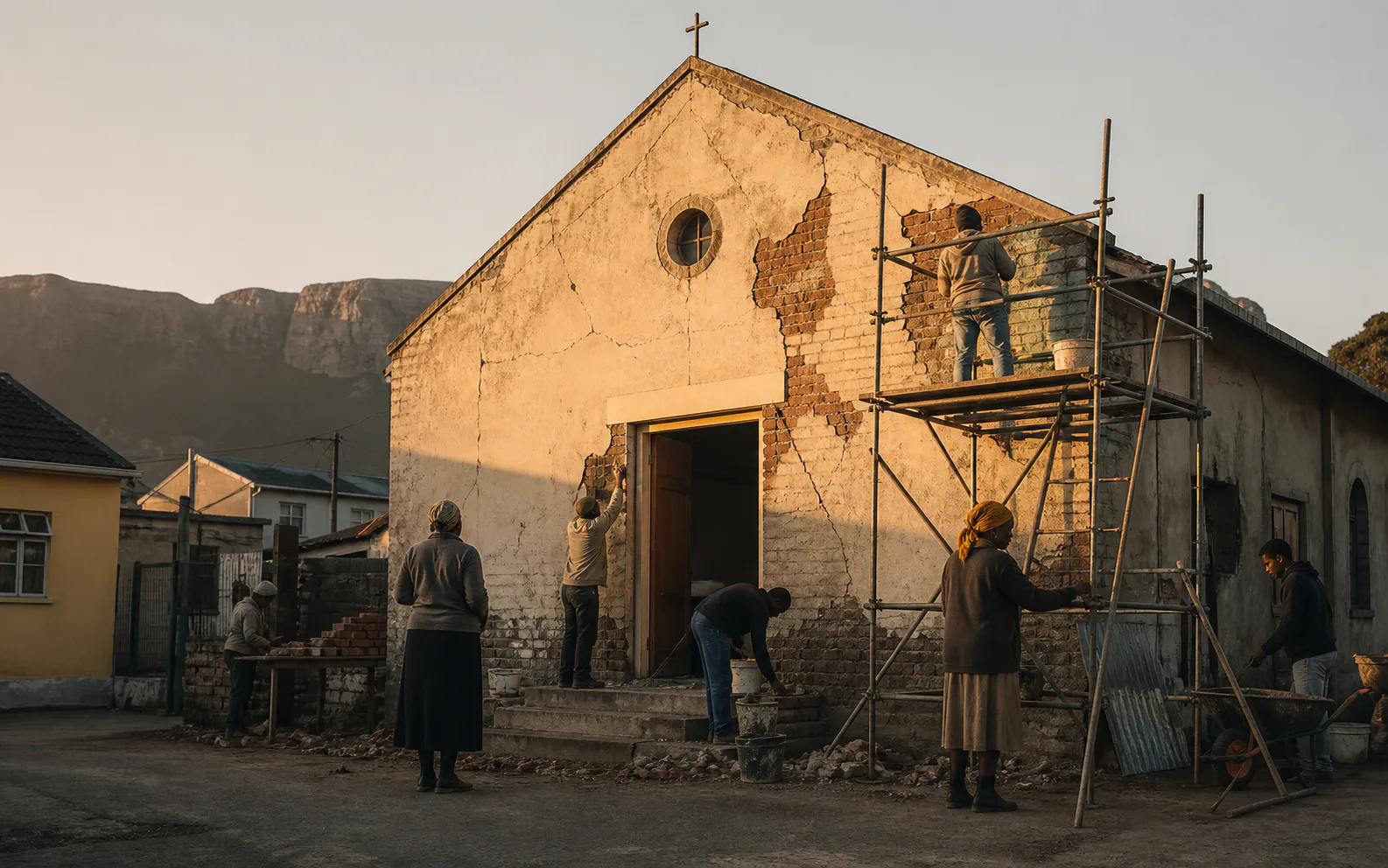
A church can protect its reputation so fiercely that it stops protecting the wounded.
The reasoning sounds spiritual. We do not want to damage the witness of the gospel. We do not want outsiders to misunderstand. We do not want one failure to define a whole congregation. These concerns can be sincere—and still become a shield against truth.
What if the deeper danger is not that the church will look weak, but that it will reveal what it believes saves it?
ScriptureThe New Testament does not build Christian credibility on the appearance of flawlessness. Grace meets confessed weakness, and fellowship with God requires truth about sin rather than denial of it.
2 Corinthians 12:9–10; 1 John 1:8–9
Jesus Christ does not need an institution’s image management. He is not glorified by evasions carried out in his name. At the cross, God does not hide the cost of sin. He brings it into the light and bears it. The resurrection is not a public-relations recovery. It is God’s victory through the place the world called defeat.
The church’s credibility does not come from never needing repentance. It comes from knowing where repentance leads.
This changes how a Christian community responds to failure. It listens before defending. It protects people before platforms. It distinguishes forgiveness from the removal of consequences. It does not rush the wounded towards reconciliation so the institution can feel restored.
Repentance also has a public texture when harm was public. It names what happened without hiding behind passive language. It accepts proportionate consequences. It makes repair where repair is possible and submits future conduct to meaningful accountability. Sorrow that only asks to be quickly trusted again is still centred on the reputation of the offender.
Nor does confession mean theatrical self-destruction. Truth has form. Allegations should be handled carefully. Privacy matters. Justice is not served by rumour. But caution must not become a maze designed to exhaust the person asking to be heard.
Weakness is frightening when strength is our gospel. But if Christ crucified and risen is our hope, we are free to tell the truth. A church that repents may lose control of its image. It may also recover its witness.