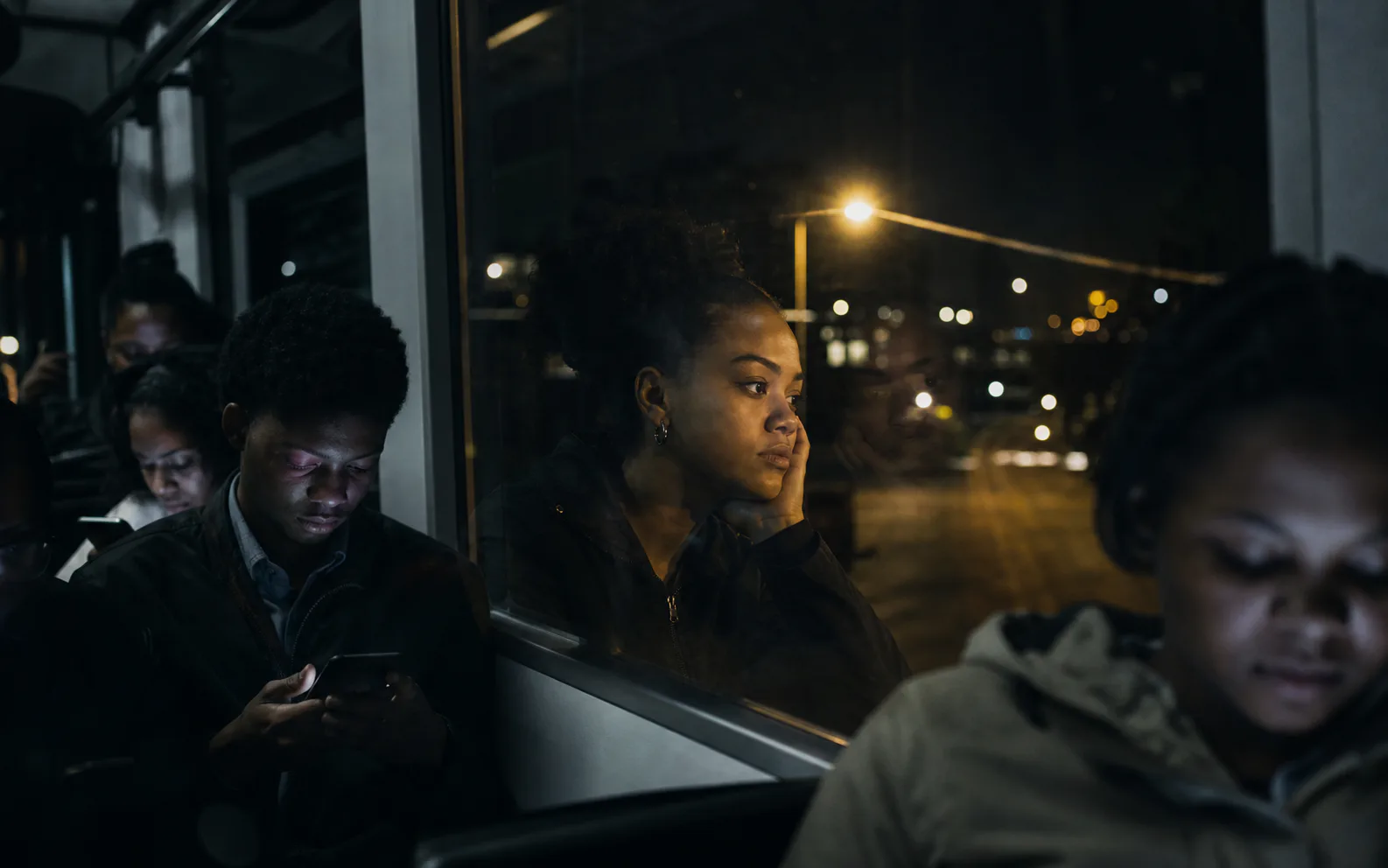
The feed does not have to change what we believe. It only has to keep deciding what we notice.
Given enough repetition, attention becomes affection. We begin to desire what is placed before us, fear what is made vivid and ignore what arrives without spectacle. The algorithm is not a person with a theology. Yet it participates in our formation because habits never remain merely technical.
This is why the Christian question is larger than whether a post is true. A stream of individually accurate fragments can still produce a distorted life. It can make outrage feel like vigilance, envy feel like aspiration and distraction feel like rest.
ScripturePaul connects transformation with the renewing of the mind. Christian discernment is not simply adding religious content to an unchanged pattern; it involves refusing forms that press us into their shape.
Romans 12:1–2
A feed becomes powerful when it no longer needs to persuade us—only to keep us scrolling.
The easy response is to declare technology evil and imagine that escape makes us pure. But our devices often amplify desires already present: to be seen, to know first, to judge quickly, to avoid silence. Deleting an app cannot by itself teach the heart to love what is good.
Jesus Christ does not merely compete for a place in our content schedule. He claims our attention because he claims us. To follow him is to learn again what deserves notice: the person nearby, the work entrusted to us, the truth that is not trending, the prayer no one can measure.
This is not only an individual discipline. Families, churches and friends can create different environments of attention. We can refuse to reward the fastest hot take, make space for testimony that takes longer than a clip, and share work that clarifies rather than merely activates. Communities teach desire by what they repeatedly honour.
Practical obedience may be unglamorous. Remove the notifications that manufacture urgency. Do not begin and end the day inside a feed. Choose sources deliberately. Let boredom arrive without immediately medicating it. Make room for Scripture to address you before the timeline tells you what matters.
The algorithm will keep offering a world. Christian discipleship asks whether it is a world in which we are becoming capable of love.